Subpanel Installation & Repair: What This Service Covers
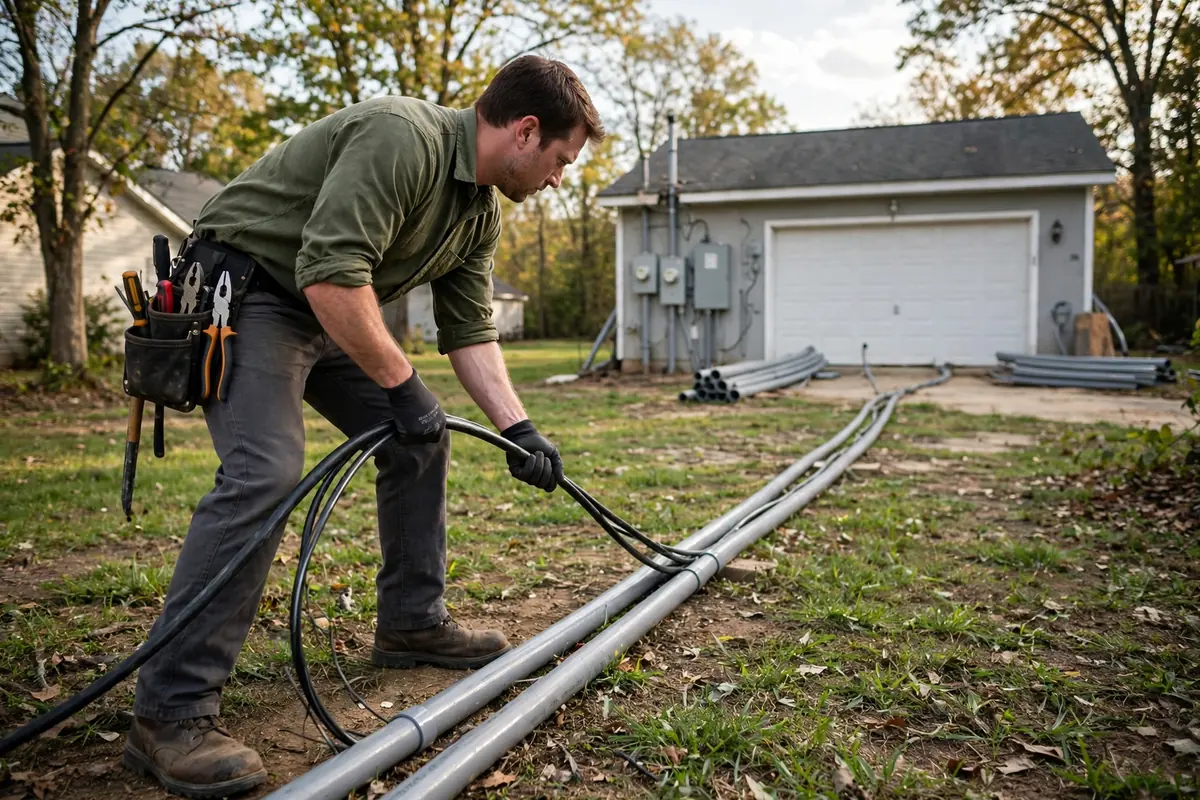
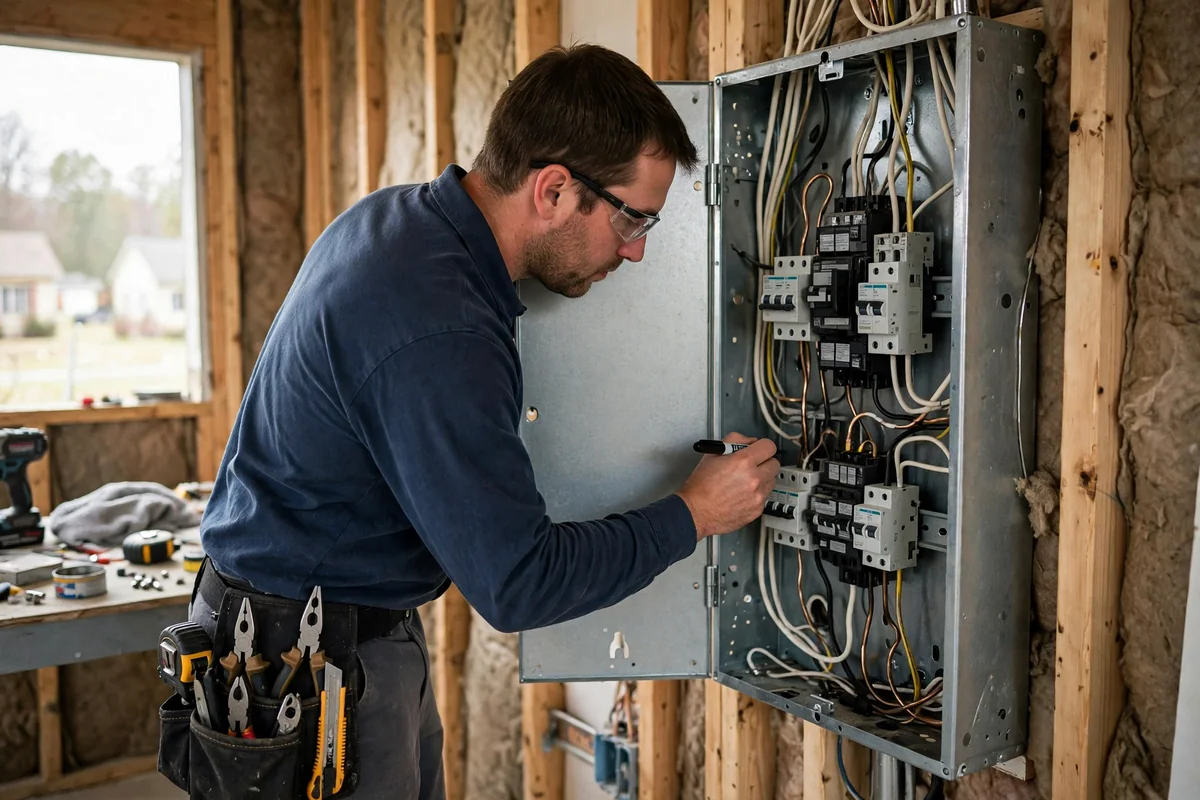
Springfield calls for subpanel installation & repair rarely start with the service name; they start with a symptom that kept repeating. The work behind the symptom is subpanel installation and repair: feeder-fed secondary panels that add breaker space and shorten wire runs for additions, detached garages, workshops, barns and finished basements, plus diagnosis and repair of existing subpanels with hot breakers, loose feeders or bonding faults. Our coverage runs all of 37172, including neighborhoods around J. Travis Price Park, and established streets near the park include many mid-century homes where panel capacity and grounded outlets are common concerns. Local conditions set the agenda. Humid Tennessee summers load panels for months, freeze-thaw winters stress outdoor equipment, and the county's storm seasons punish anything already loose or corroded.
A subpanel is a math problem before it is a hardware problem: we total the loads the new panel will carry, size the feeder and its breaker, and check the main panel's capacity to feed it. On existing subpanels we test feeder terminations under load, verify neutral and ground are separated as code requires in a subpanel, and look for the heat signatures that precede failures.
Signs You Need Subpanel Installation & Repair
- Main panel is full but you need circuits for an addition or garage
- Long home-run wiring to a workshop wastes copper and voltage
- Subpanel breakers feel warm or trip without clear cause
- Detached building fed by an old, undersized or damaged feeder
- Lights in the addition dim when workshop tools start
- Inspector flagged a subpanel for bonding or grounding errors
Individually, some of these are annoyances. Together they describe a system asking for attention, and the ask gets more expensive the longer it goes unanswered. Our guide to common electrical problems explains which symptoms can wait and which cannot.
How We Diagnose It
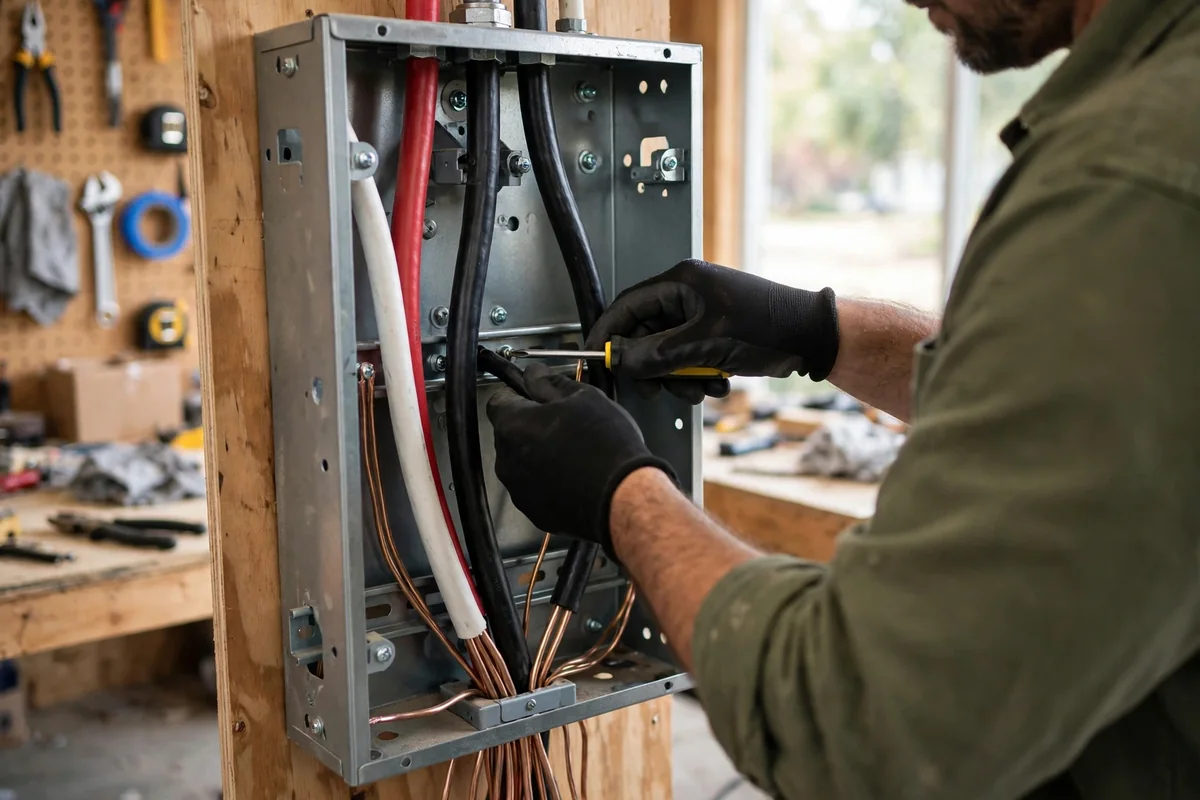
A subpanel is a math problem before it is a hardware problem: we total the loads the new panel will carry, size the feeder and its breaker, and check the main panel's capacity to feed it. On existing subpanels we test feeder terminations under load, verify neutral and ground are separated as code requires in a subpanel, and look for the heat signatures that precede failures.
Whatever the readings show, the visit ends with evidence on the table: the failed part in view, the options in plain terms, and a figure you approve before a single repair starts.
The Springfield Call Pattern
Additions and detached workshops drive Springfield's subpanel work, from Tom Austin Hwy garages to farm outbuildings that outgrew a single circuit decades ago. The repair side of the pattern is just as steady: a subpanel installed during a 1990s addition, neutrals and grounds bonded wrong, found only when a new circuit misbehaves and somebody finally opens the cover.