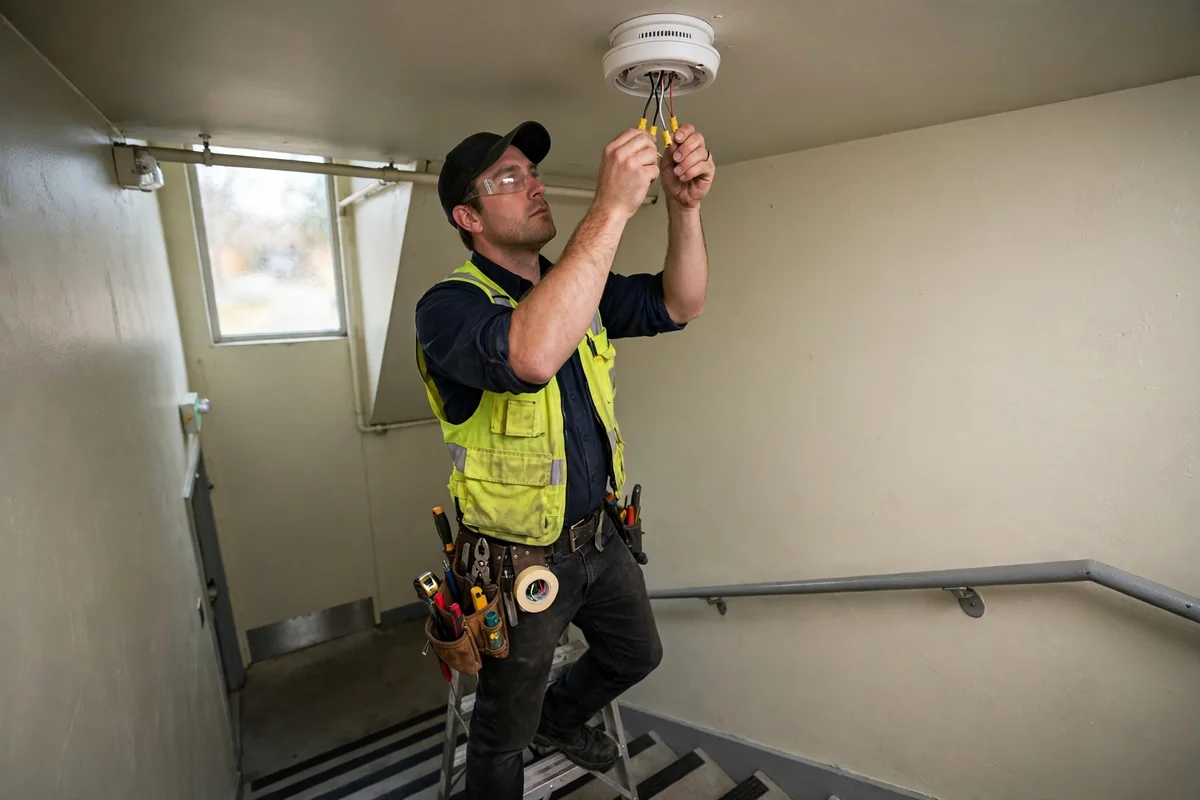
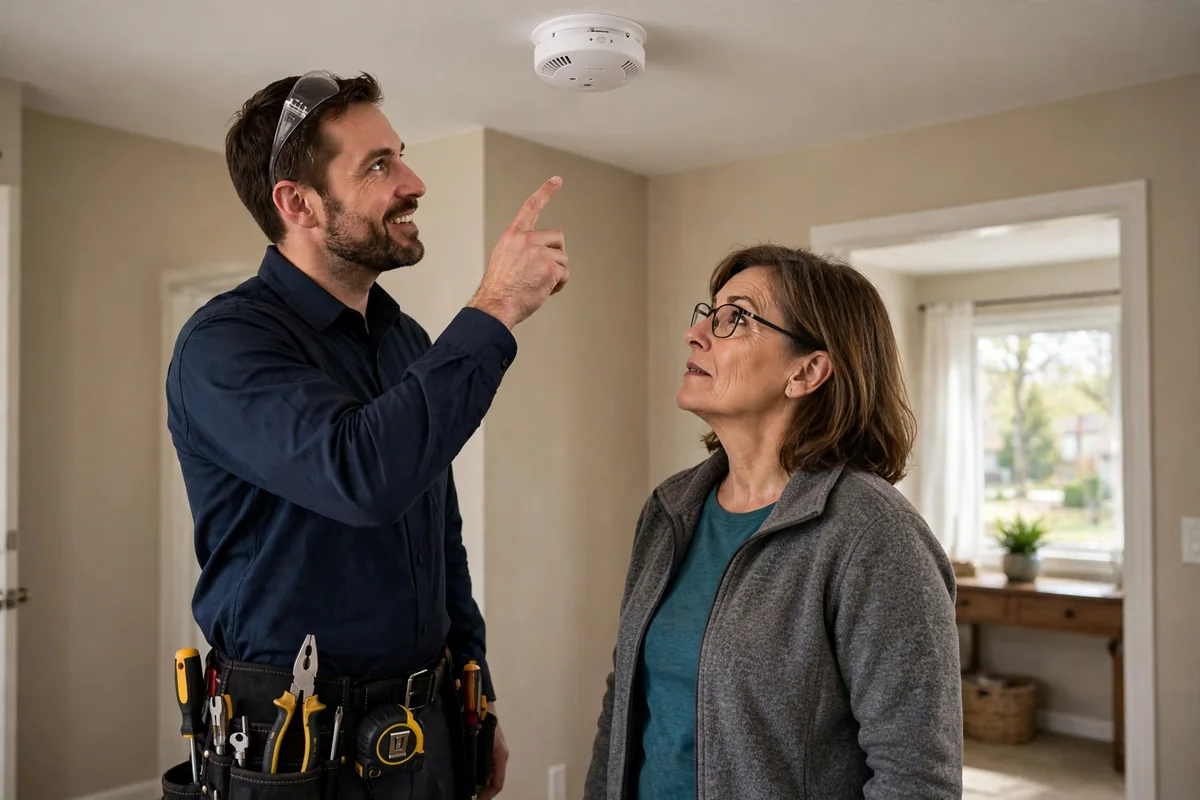
Smoke & CO Detectors in Spring Hill: What the Work Involves
For homes around streets near Fischer Park at Port Royal, smoke & co detectors is a regular part of our week. At its core the service is hardwired smoke and carbon monoxide protection planned as one system for the whole house: detectors placed by room and level rather than by habit, interconnection so an alarm anywhere sounds everywhere, and expired units replaced before their sensors finish the quiet retirement they began years ago. Spring Hill-wide, families around Port Royal Road live in subdivisions built in fast phases, where the same floor plans repeat street after street and so do their electrical quirks, which is why the local details matter as much as the technical ones. Local conditions set the agenda. Long humid summers run air conditioners for months, spring storm lines crossing Maury and Williamson counties test service equipment, and a housing stock built mostly since the 1990s is aging into its first big repair cycle all at once.
Wades Grove and Brixworth, the first big wave of the boom, are hitting the age where everything installed in 2005 starts asking for attention in the same few years.
When Spring Hill Homeowners Call About Smoke & CO Detectors
- One alarm chirped at 3 AM and the hunt found three more near their dates
- The backs of your alarms show manufacture dates from another decade
- New home purchase and nobody knows how old the detectors are
- Alarms exist in halls but not inside the bedrooms themselves
- Gas appliances or an attached garage with no CO coverage nearby
- A renovation or insurer is asking for detector documentation
A single occasional sign is usually minor. A pattern, repeats, combinations, escalation, is how Spring Hill homeowners should read it: book the visit before the system escalates for you. The common electrical problems guide sorts the everyday symptoms into safe-to-watch and call-today.
How We Track Down the Cause
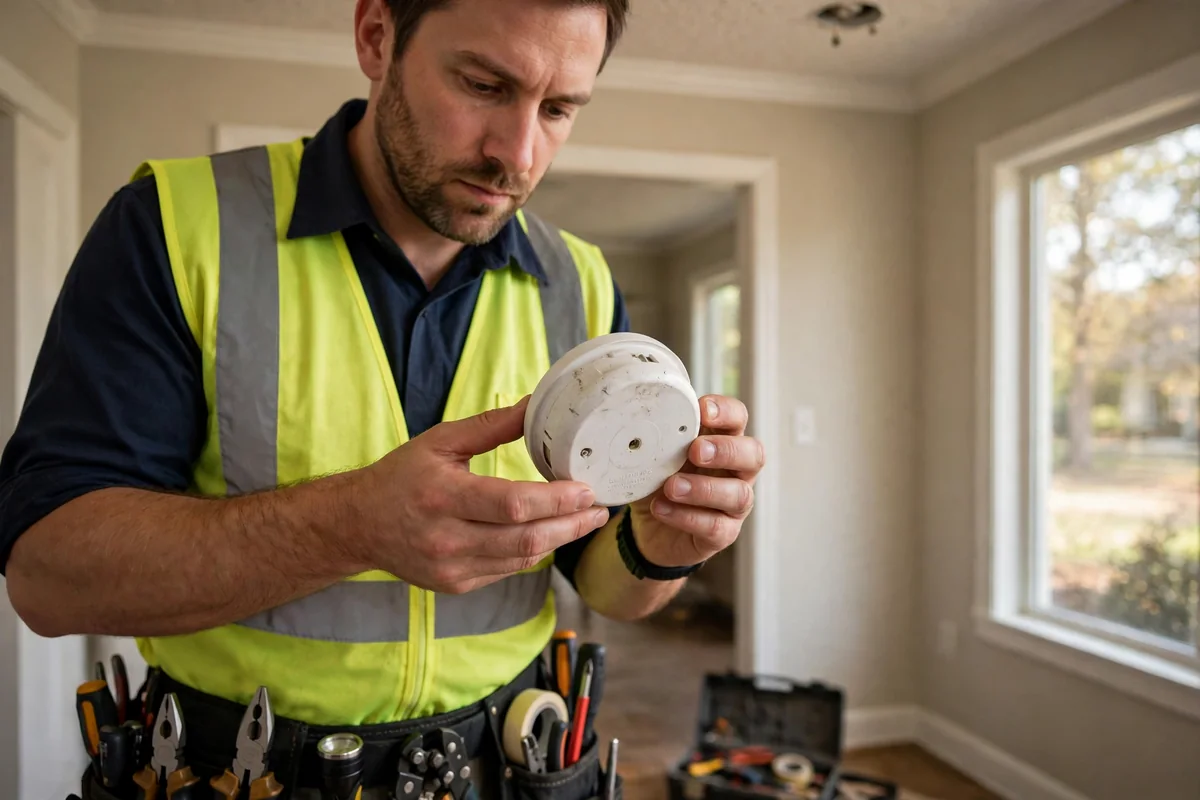
A detector visit begins with an inventory nobody enjoys: the manufacture date printed on the back of every unit in the house. Ten years is the working life of a smoke sensor, and the date, not the beep, is the verdict. From there we map coverage against how the house is actually slept in, check the CO sources (garage, gas appliances, fireplace), and test the interconnection, because a system that cannot wake the far bedroom is decor, not protection.
Before anything else we make the area safe: breakers isolated, circuits verified dead with a tester, and the panel photographed so every wire returns to a known place.
The Spring Hill Call Pattern
Detector calls arrive in two emotional registers. The first is the 3 AM chirp, hunted room to room in the dark, ending with a unit older than the family's dog. The second is the deliberate one: a Benevento family that read the date on one alarm, did the arithmetic for the rest, and booked the whole house. Both end with the same inventory, and usually the same surprise, that a house can feel well alarmed while owning no working sensor younger than its paint.