Meter Base Repair in Spring Hill: What the Work Involves
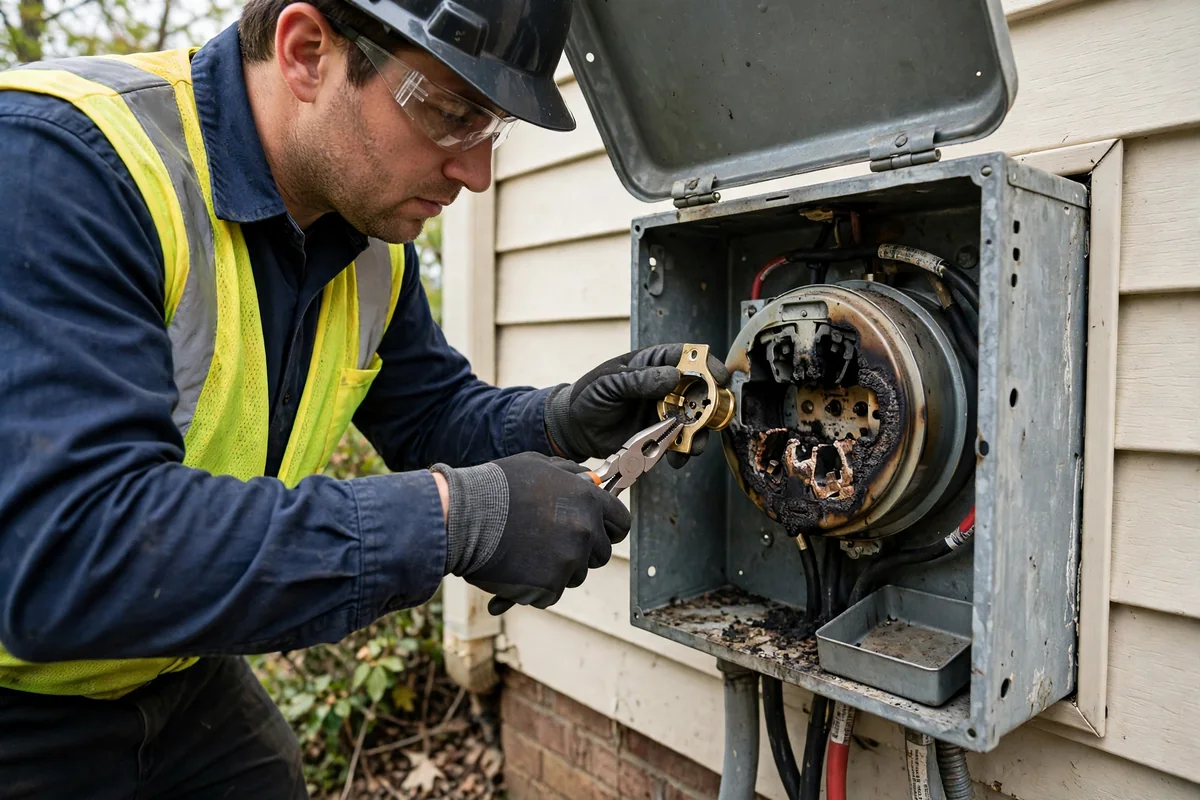
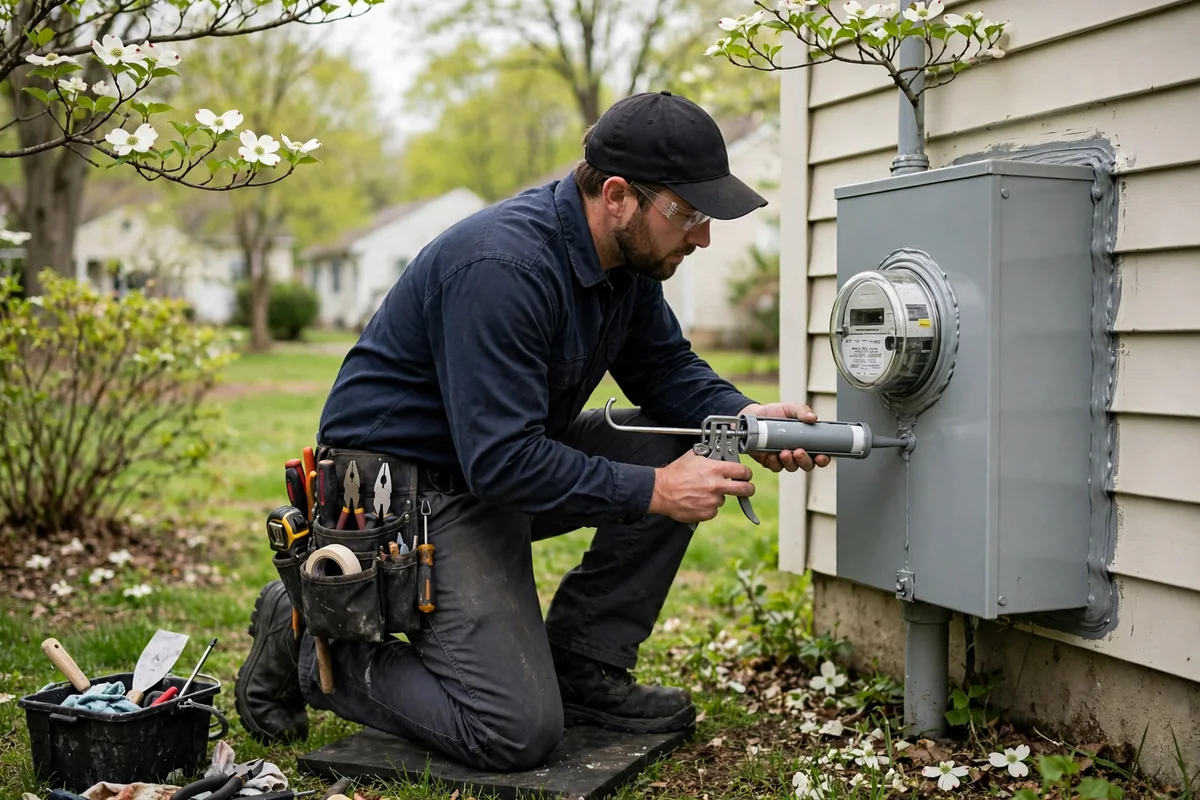
Spring Hill calls for meter base repair rarely start with the service name; they start with a symptom that kept repeating. The work behind the symptom is the meter base, the handshake point where the utility's power becomes the home's problem: failing sockets diagnosed under load, corroded and storm-torn bases replaced with utility-approved equipment, and service entrances restored to the condition every utility's meter crew expects to find. Our coverage runs all of 37174, including properties out toward Kedron Road and the rural edges, and acreage homes on the Maury County side run wells, barns and long overhead feeds that city-subdivision homes never deal with. Context counts in this trade. A Spring Hill home's electrical weak points usually trace back to its build phase, its position on one of three utilities' lines, or the sheer load growth of EVs, pools and home offices on services sized a generation ago.
Wades Grove and Brixworth, the first big wave of the boom, are hitting the age where everything installed in 2005 starts asking for attention in the same few years.
When Spring Hill Homeowners Call About Meter Base Repair
- Flicker that follows the air conditioner like a shadow
- The utility's meter swap ended with a notice instead of a meter
- Rust and daylight are visible inside the meter box
- Half-power episodes arrive and leave without asking the breakers
- A buzzing at the meter that tracks the dryer
- Storm strain left the service entrance looking tired
Individually these read as annoyances; in combination they describe a system at the edge of its design, which is exactly when a diagnosis is cheapest. The common electrical problems guide sorts the everyday symptoms into safe-to-watch and call-today.
How We Track Down the Cause
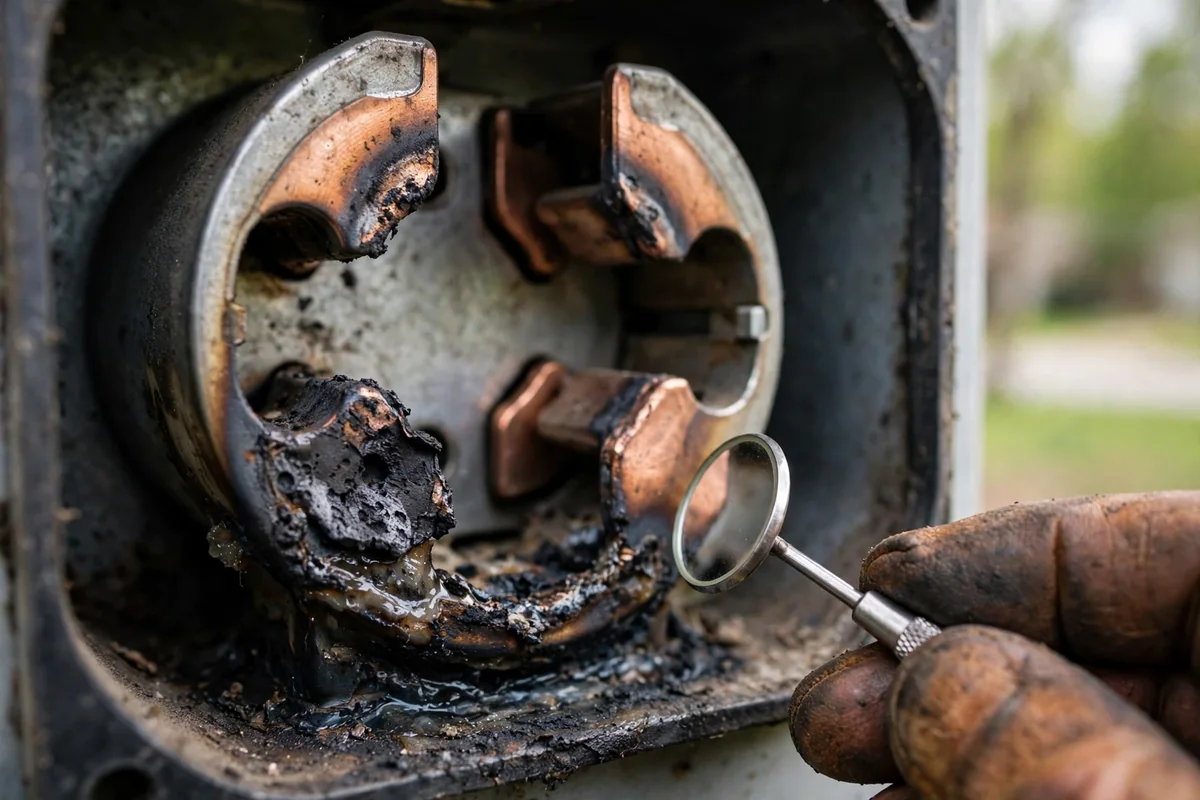
Meter work starts with a load applied, because socket faults hide at idle. We measure voltage on both sides of the meter while the house works, then, with the utility's meter pulled where the diagnosis requires it, inspect jaw tension, corrosion tracks and the hub where water enters. Heat discoloration tells the age of the failure; the voltage drop under load tells its size. The utility's equipment and yours get assigned their faults separately and in writing.
Safety order never changes: the circuit is isolated and proven dead before hands go in, and nothing is re-energized until the new work has been tested.
The Spring Hill Call Pattern
Meter calls take two shapes here. The mystery flicker in a subdivision home that appliance repairmen have voted on inconclusively, settled in an hour at the meter. And the storm shape: a base torn from siding on an older lot, a household learning the ownership boundary at the least convenient hour. Both end with the same ritual, the loaded retest, because the meter is where arguments about flicker go to be finished.